Image 1 of 2
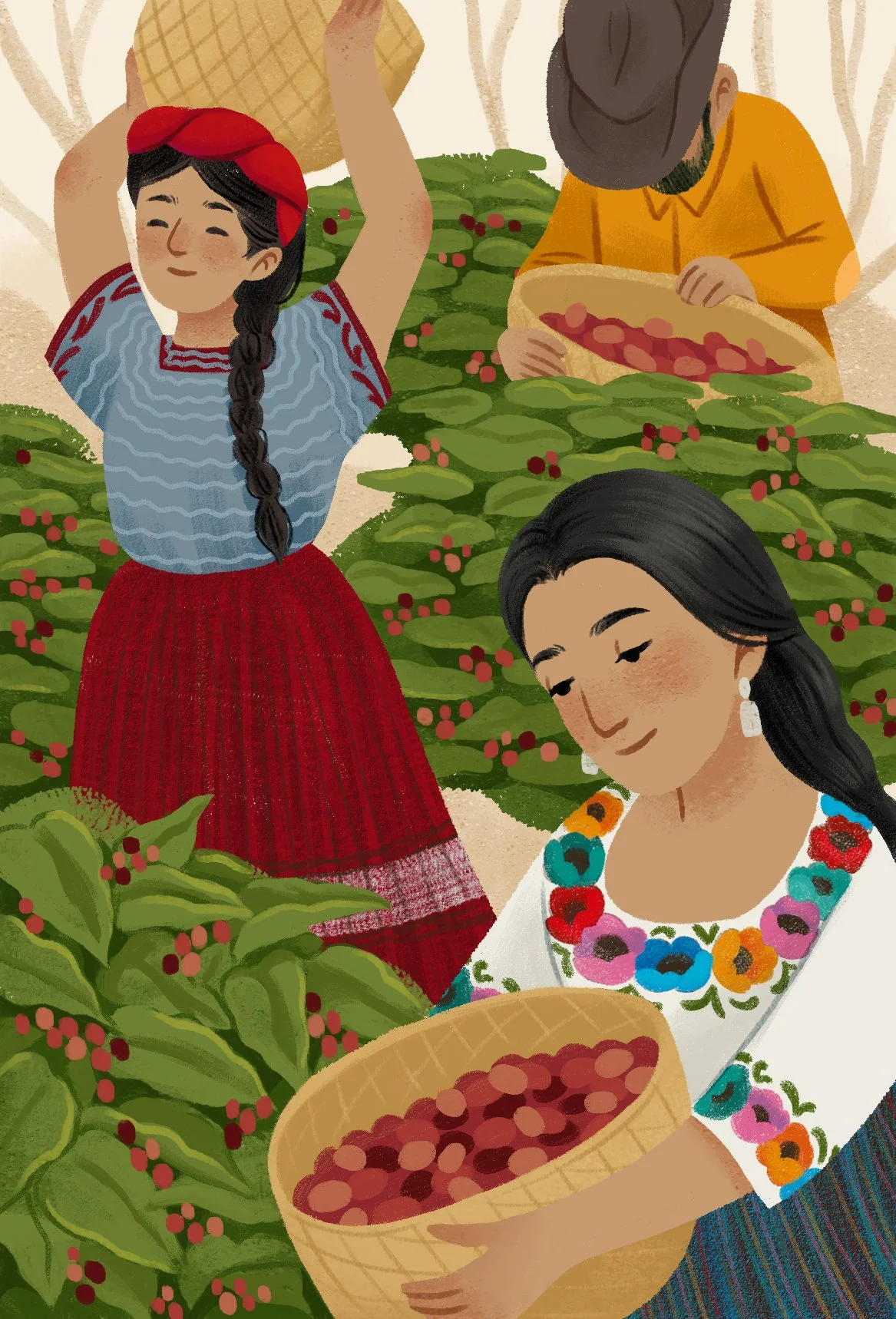 Image 2 of 2


Origin:
Guatemala, Baja Verapaz
Producer:
Smallholders

Farm:
/
Altitude:
1400-1800 masl
Process:
Variety:
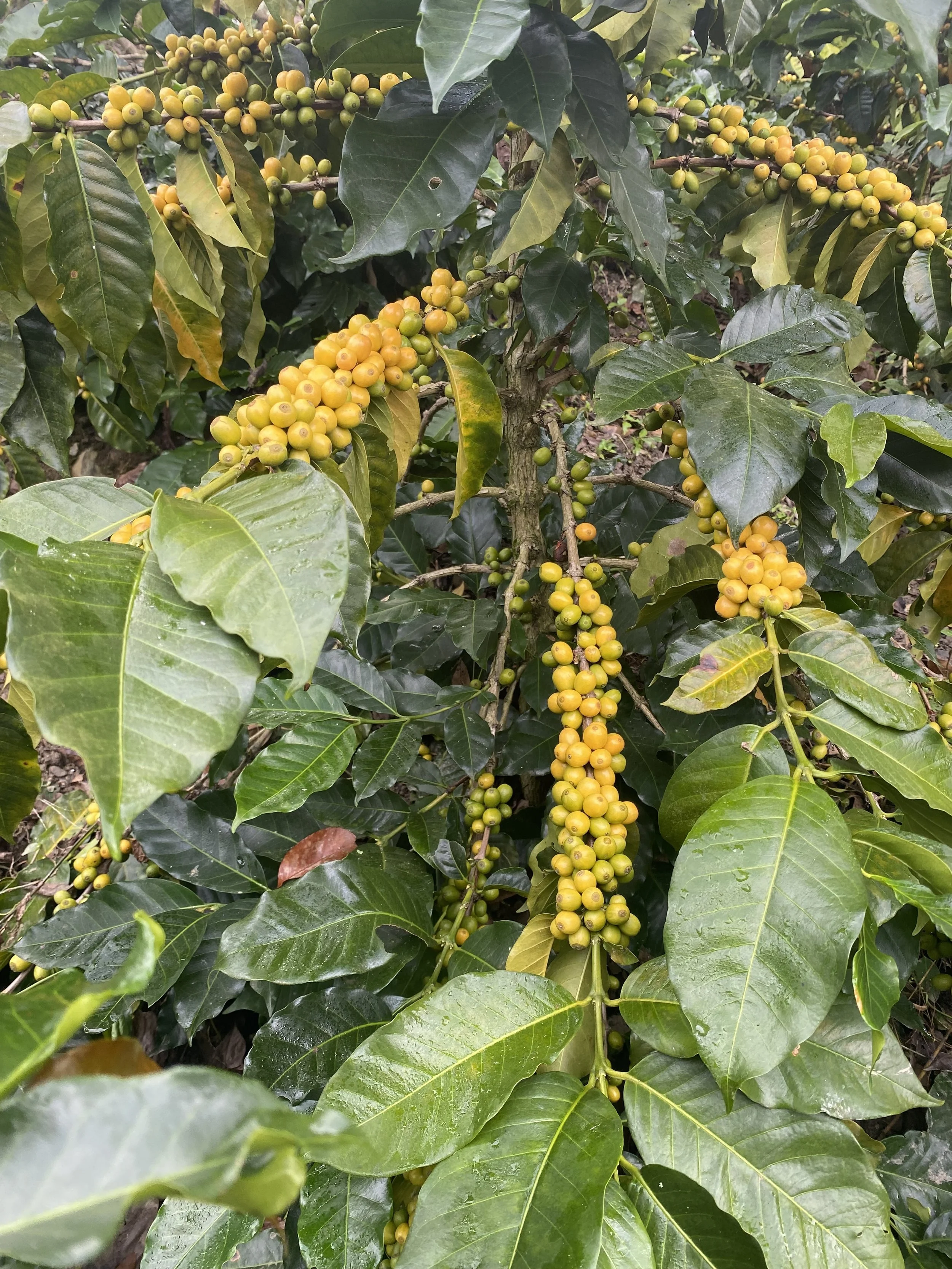
Catuai
Washed
Low Fermentation Impact
About the producers
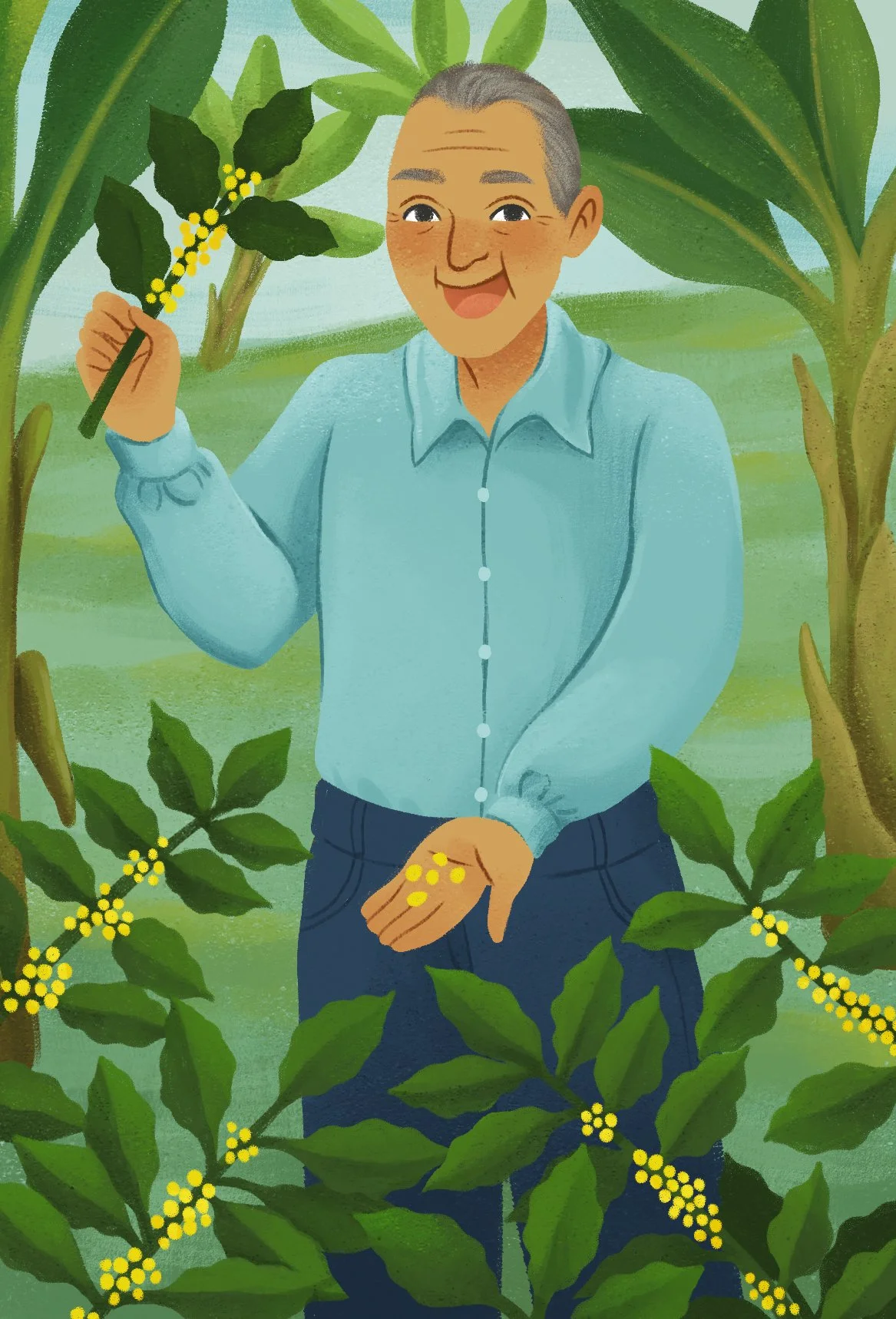
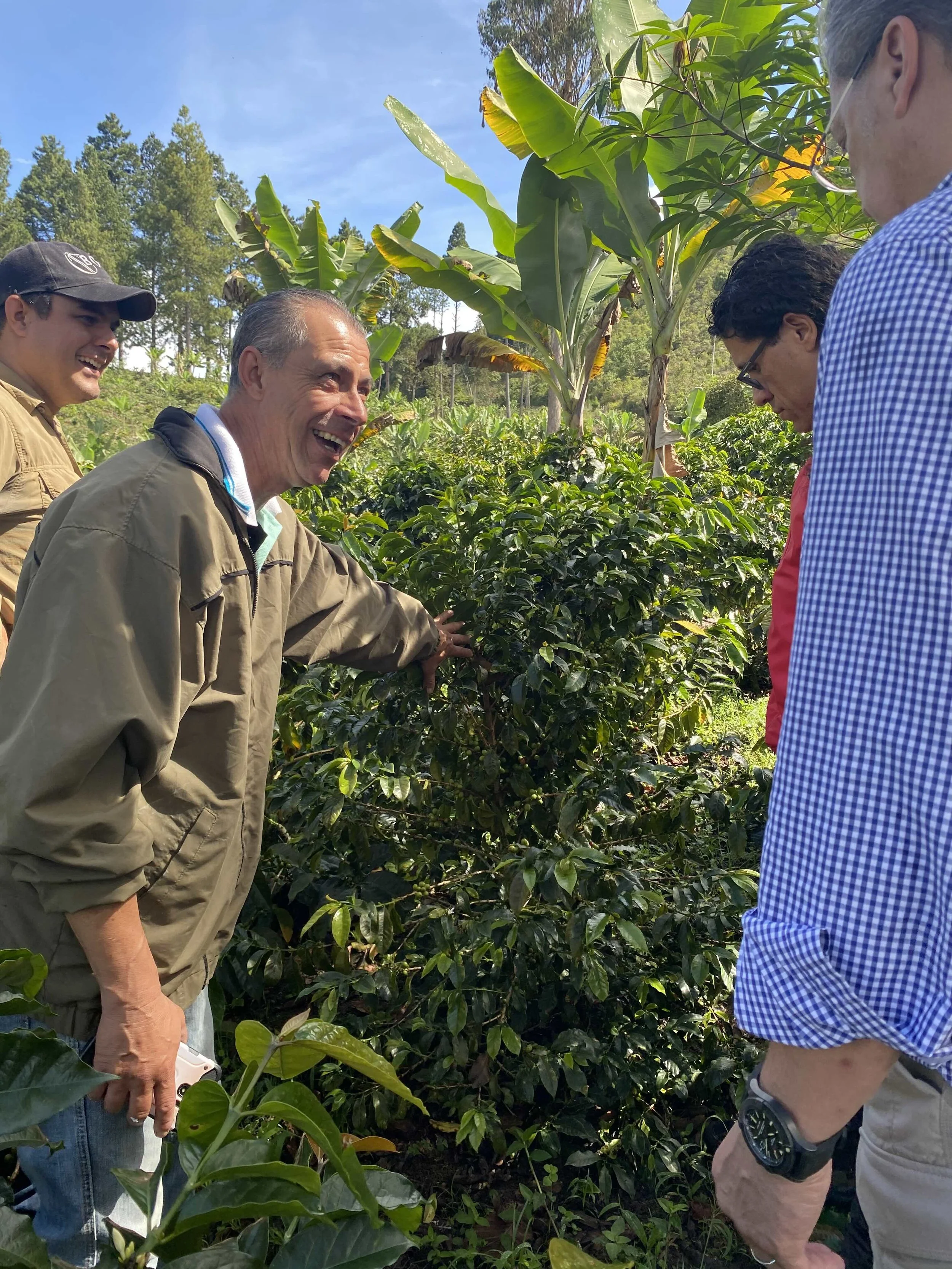
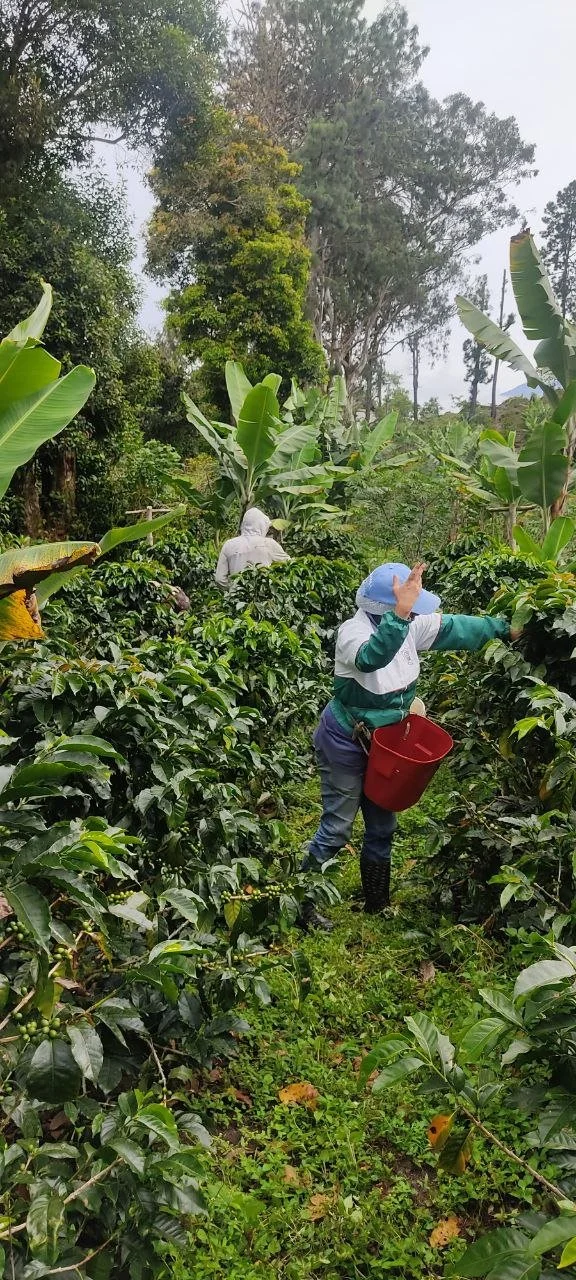
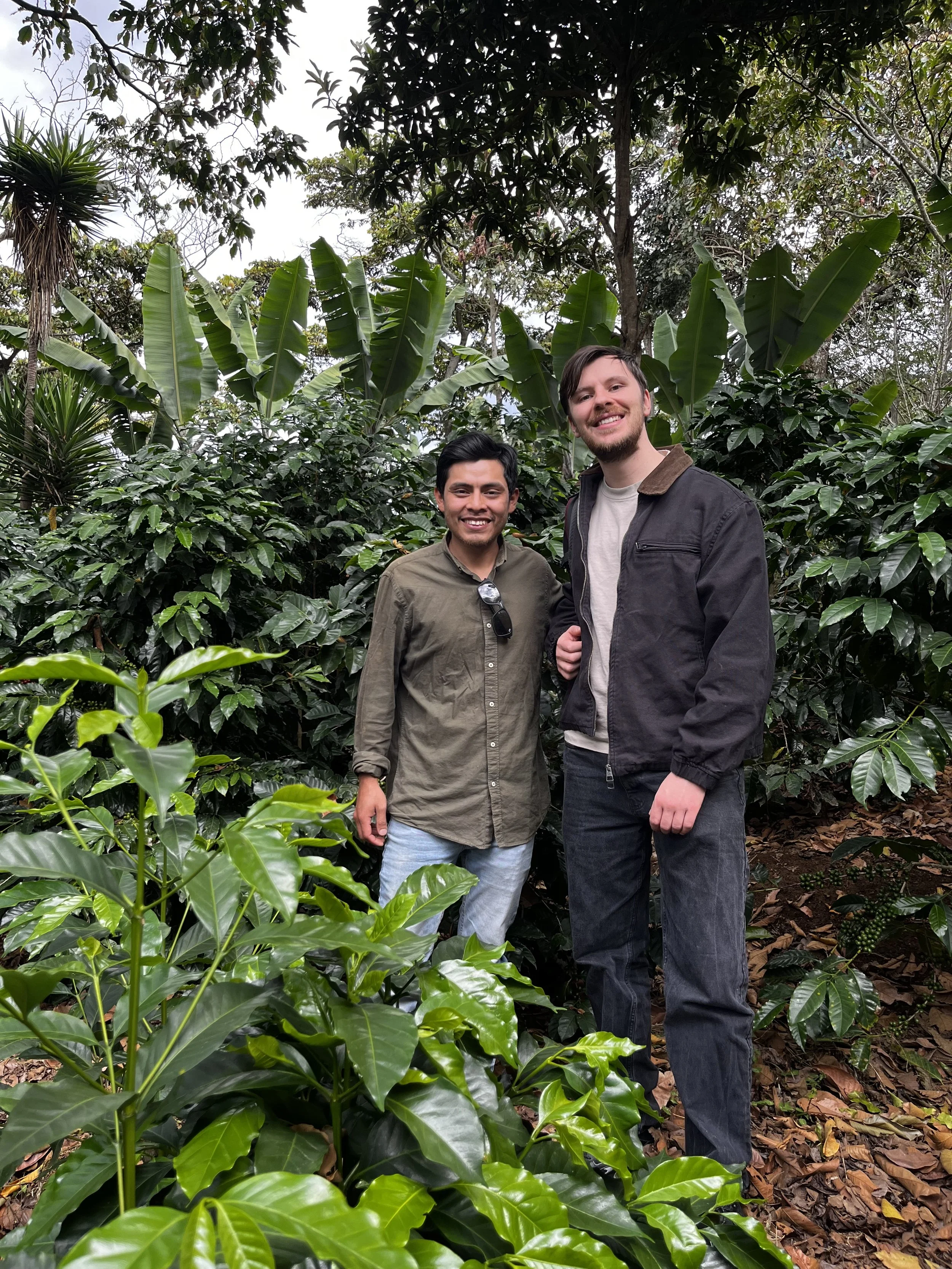
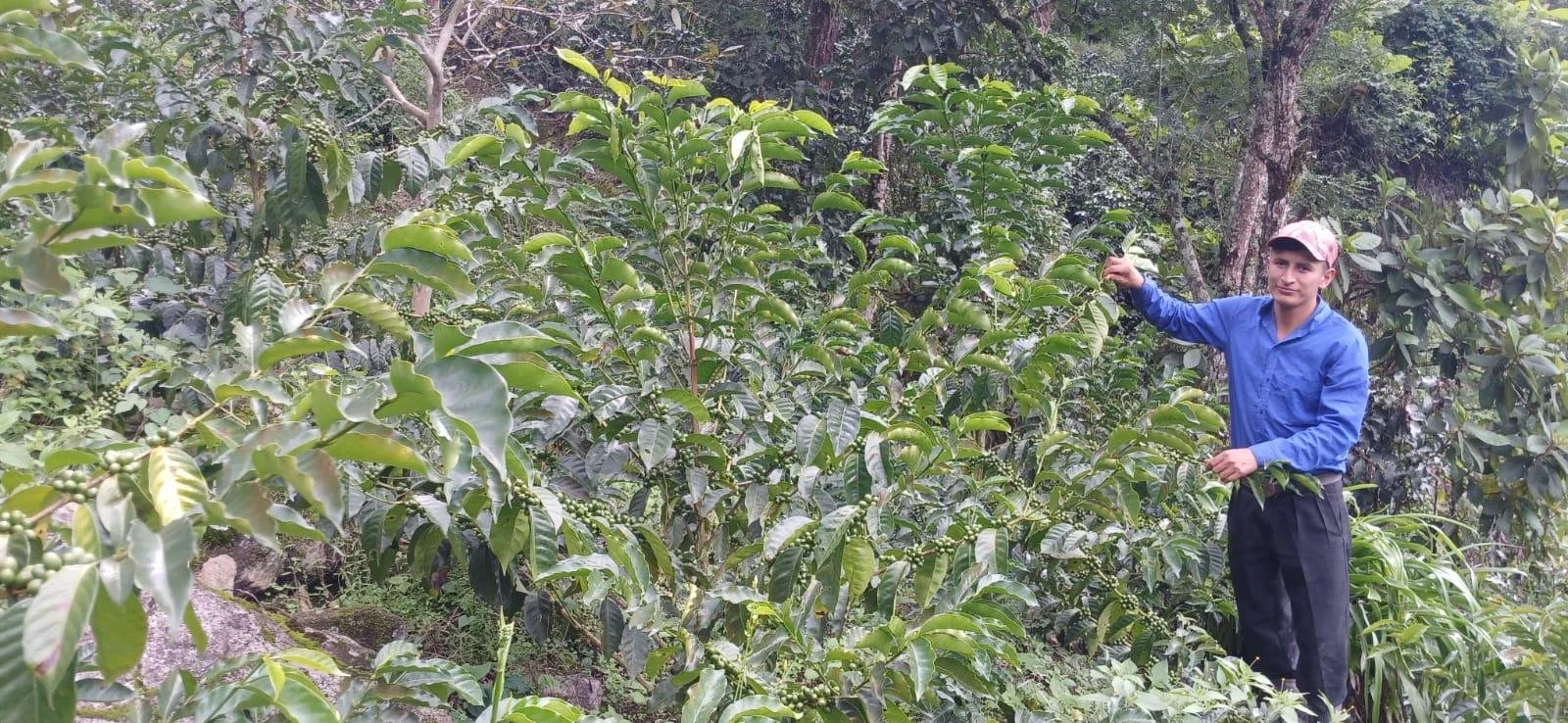
In the highlands of Rabinal, Baja Verapaz (1400–1800 masl), coffee farming is deeply rooted in community life. Most producers are smallholders from the indigenous Poqomchi’ and Q’eqchi’ peoples, cultivating less than 2 hectares each. For generations, they have cared for their land and coffee plants with an artisanal approach, selective hand-picking, attention to soil health and a focus on quality over volume. Farming here is not just agriculture but a way of preserving heritage, livelihoods and a connection to the land.
About agroforestry practices, variety and processing
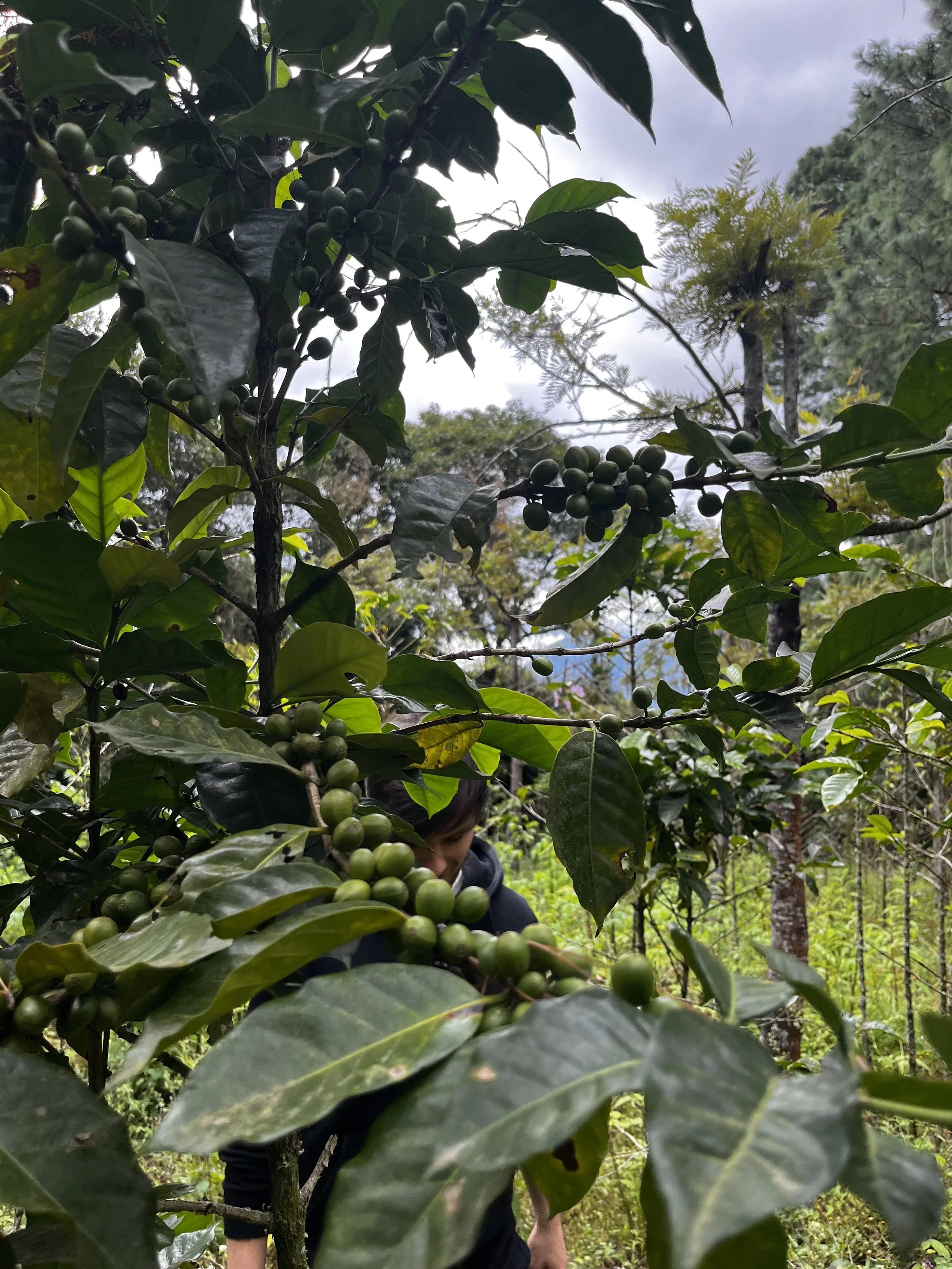
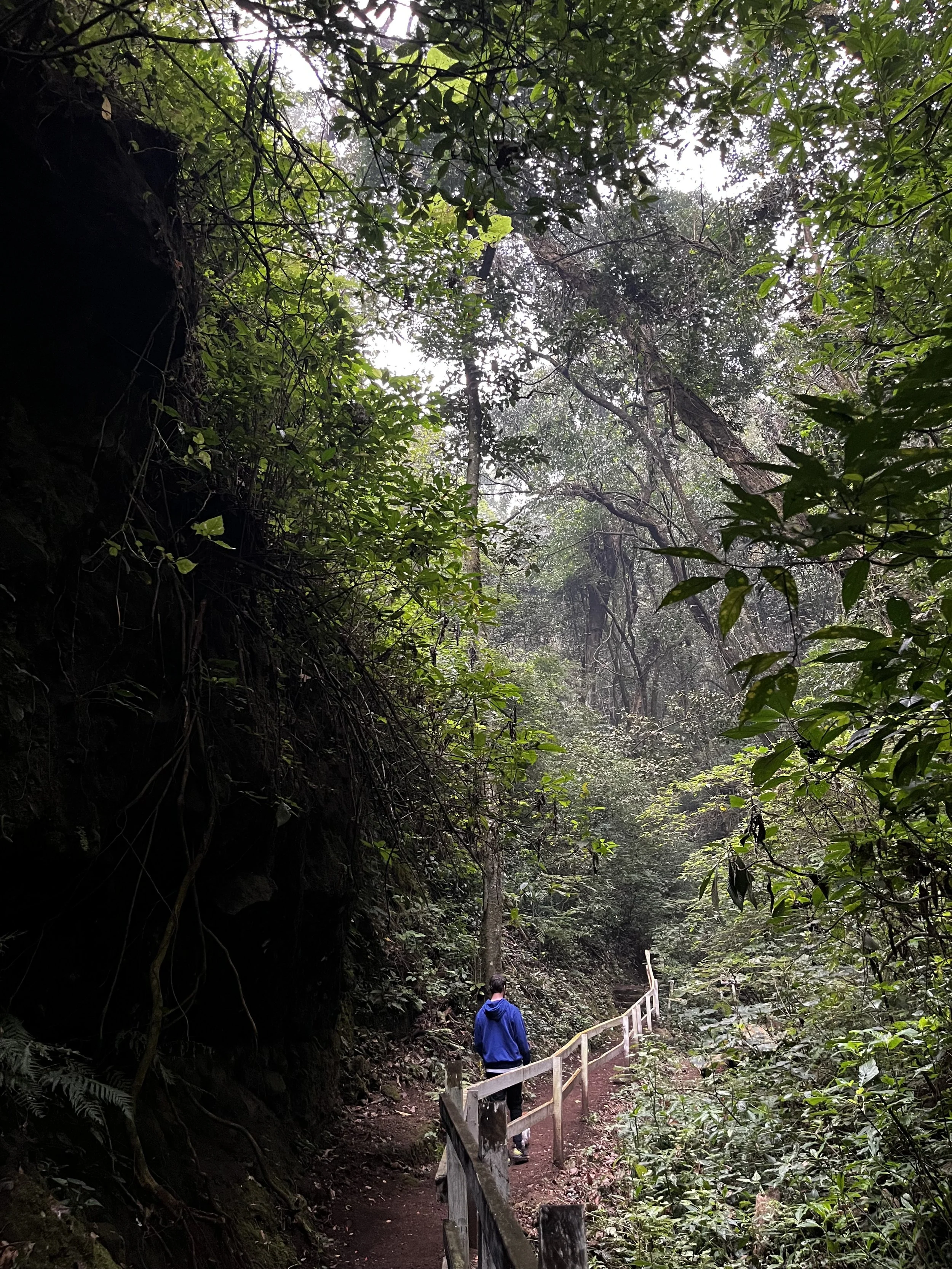
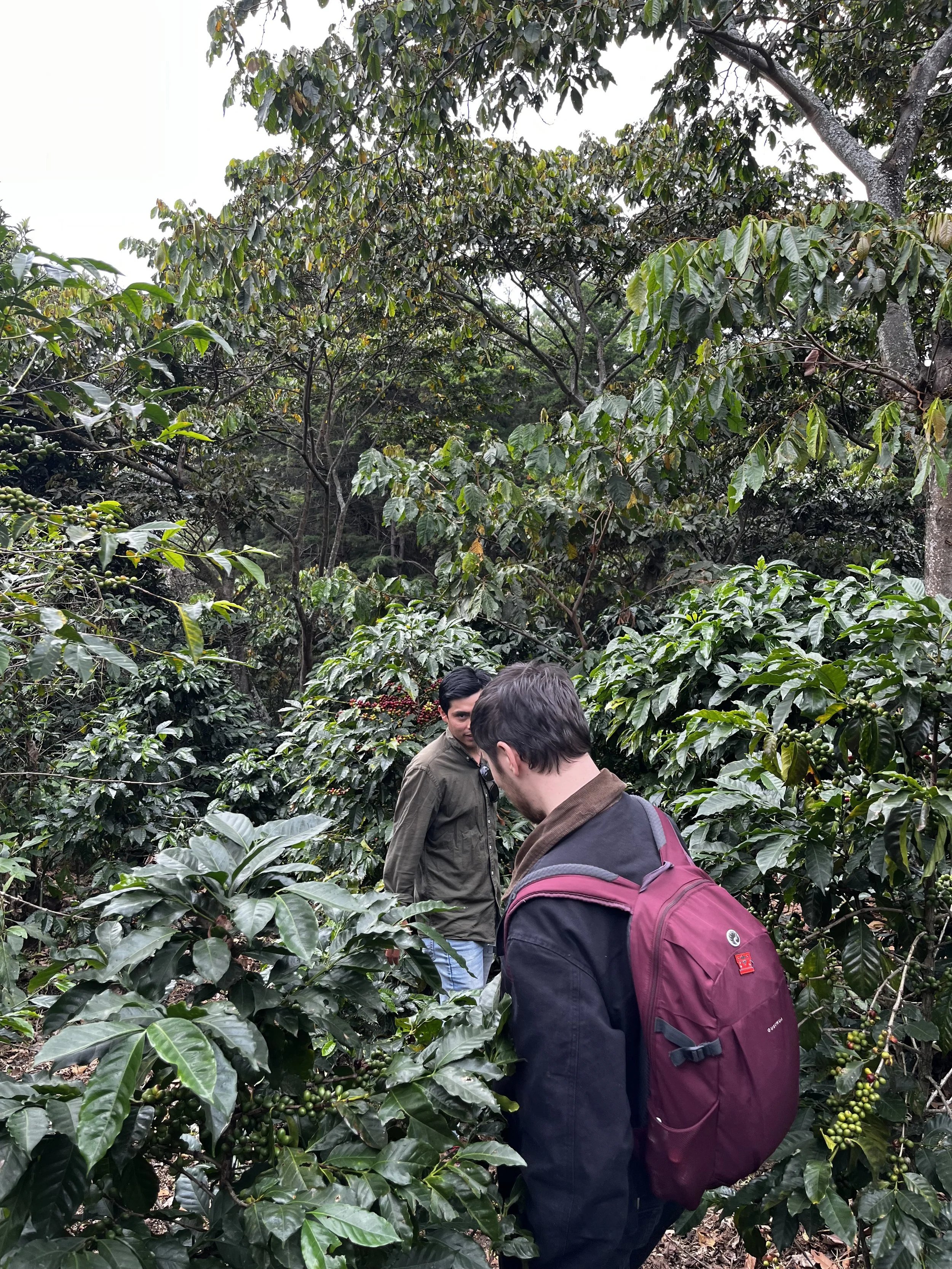
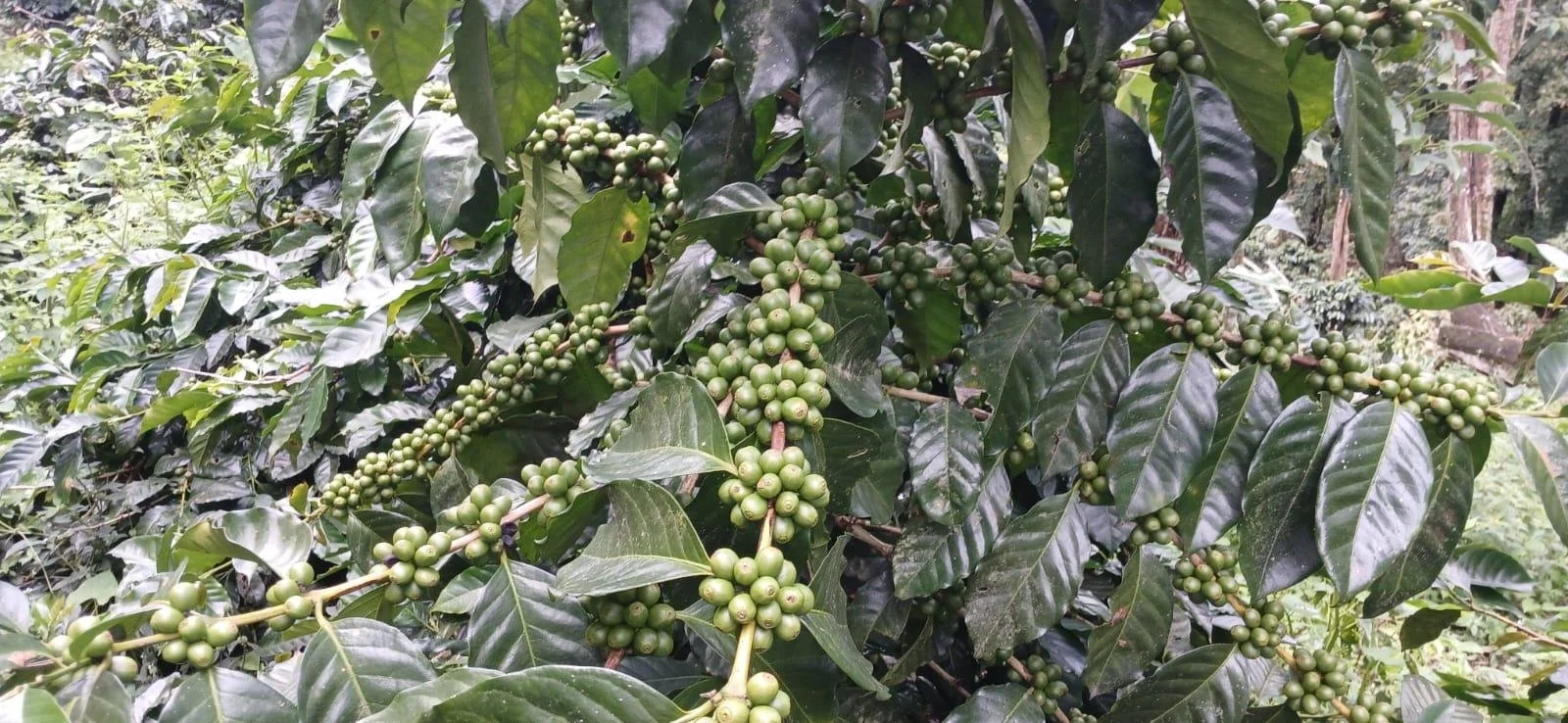
Coffee in this region is grown within complex agroforestry systems, shaded by chalum, gravilea and avocado trees. These diverse canopies regulate temperature, enrich the soil, preserve water microbasins and support pollinators, making biodiversity a foundation for resilience and cup quality. The soils, a mix of volcanic and limestone, are rich in potassium, phosphorus and calcium, while the cooler climate slows cherry maturation, allowing for the development of vibrant acidity and layered sweetness.
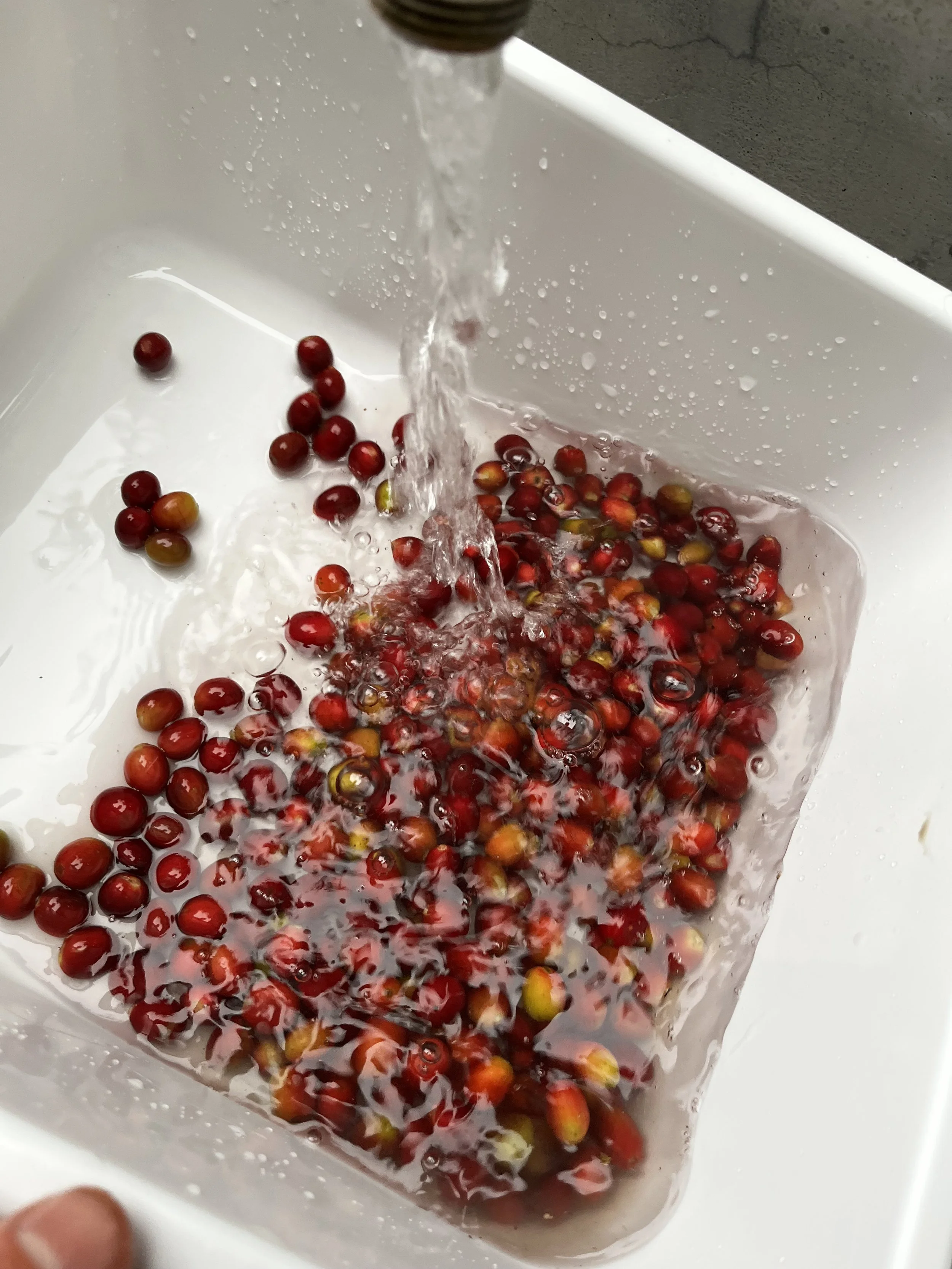
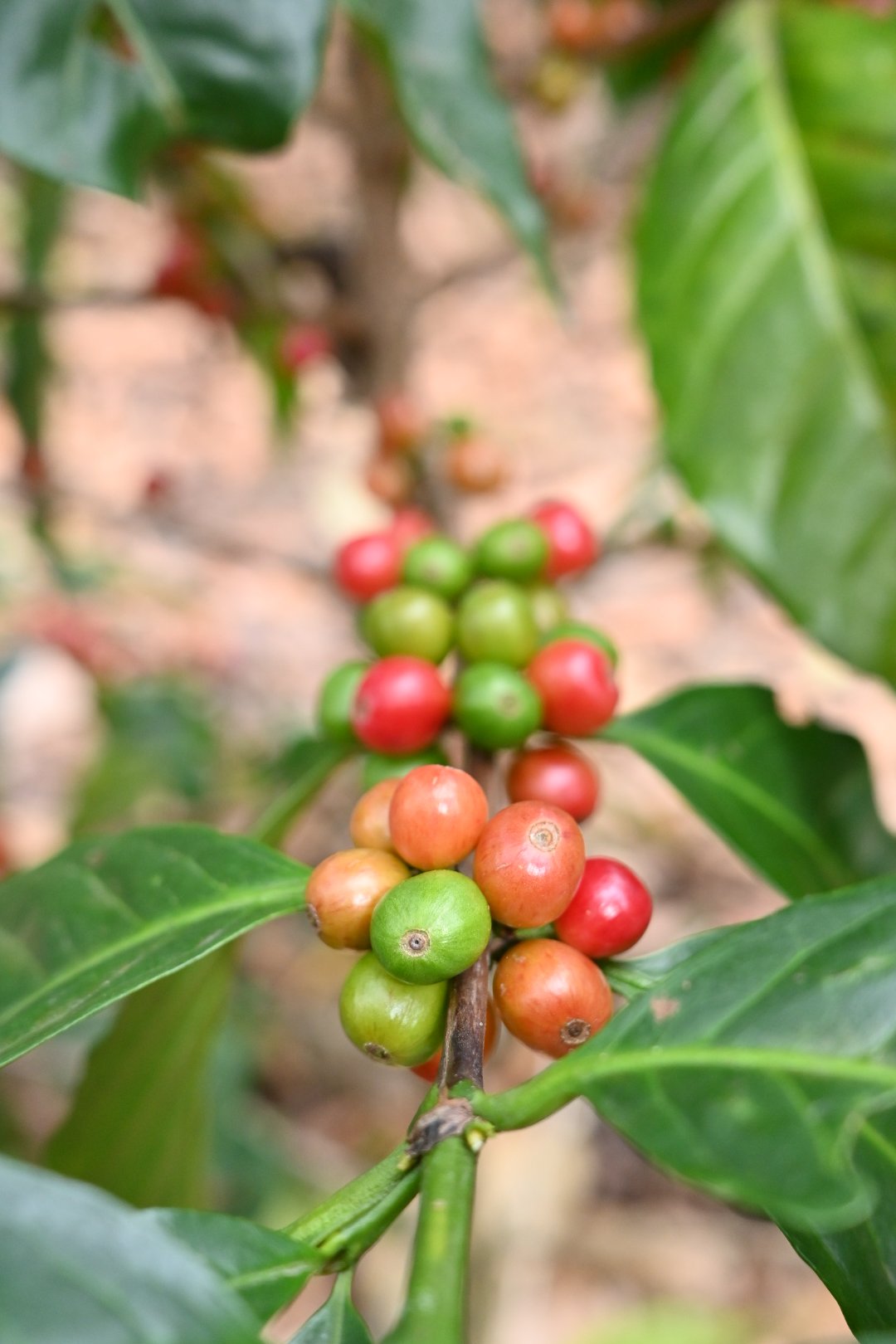
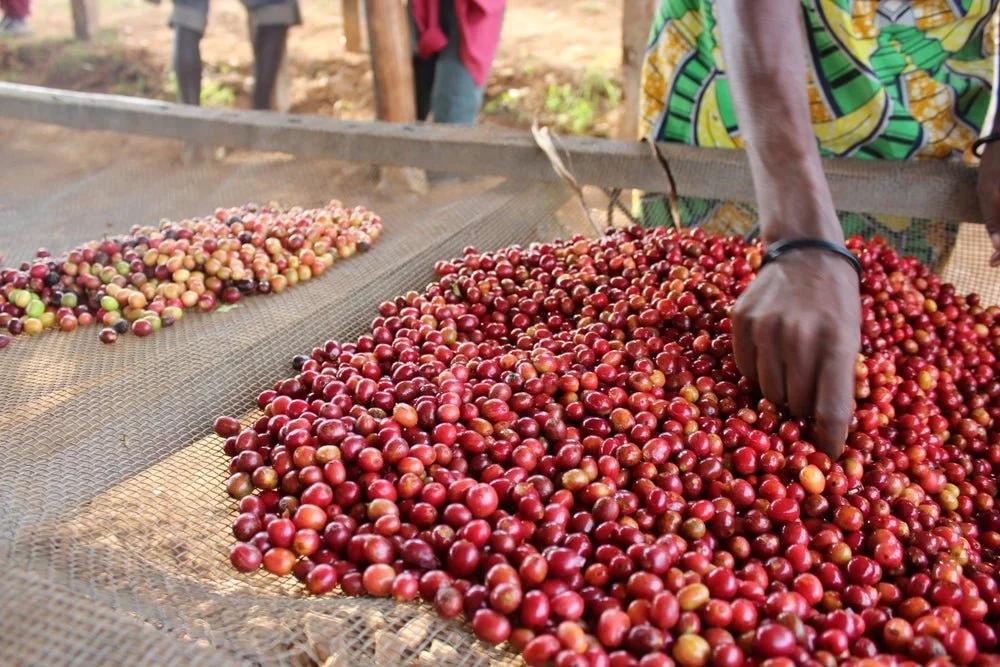
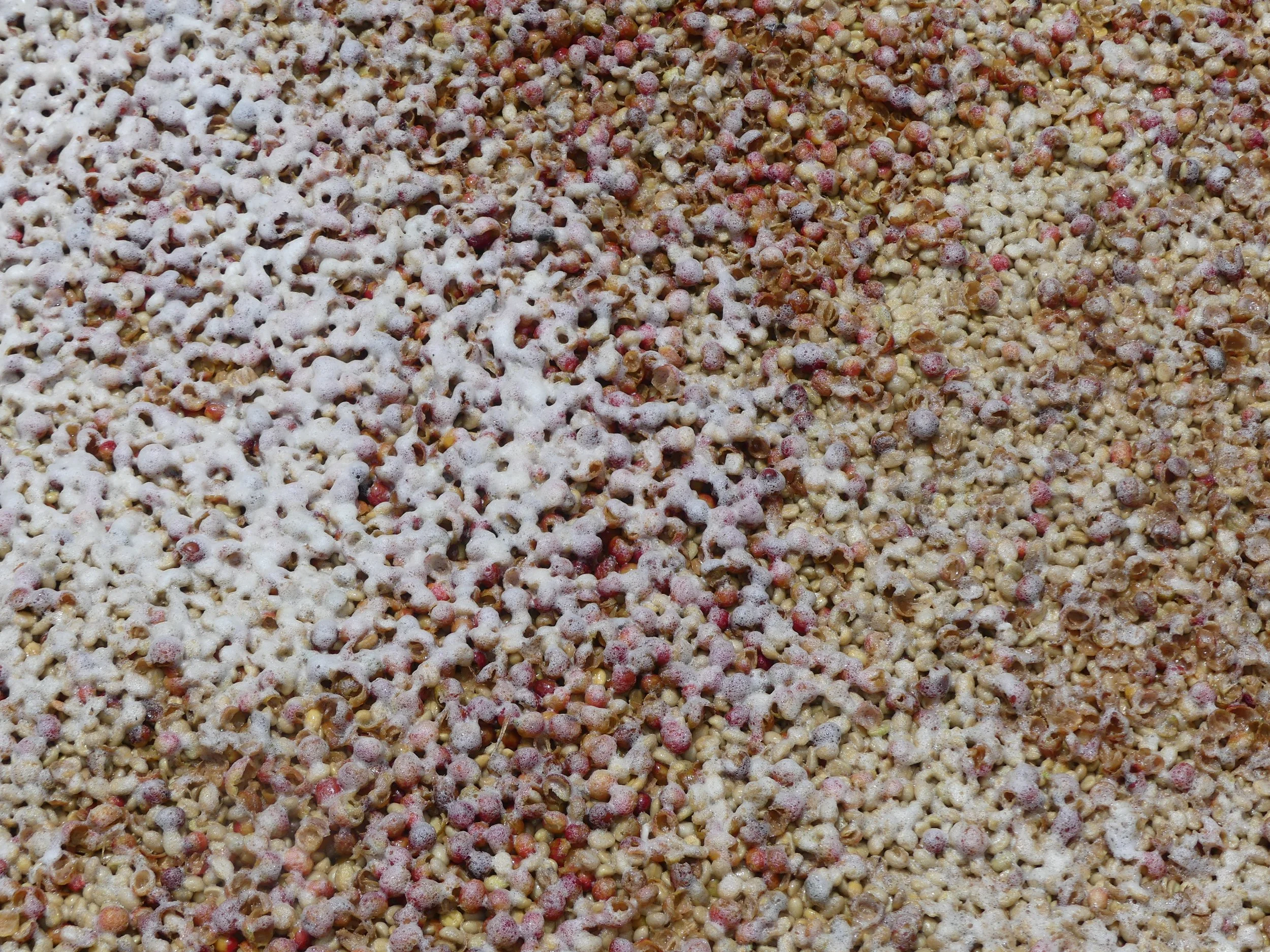
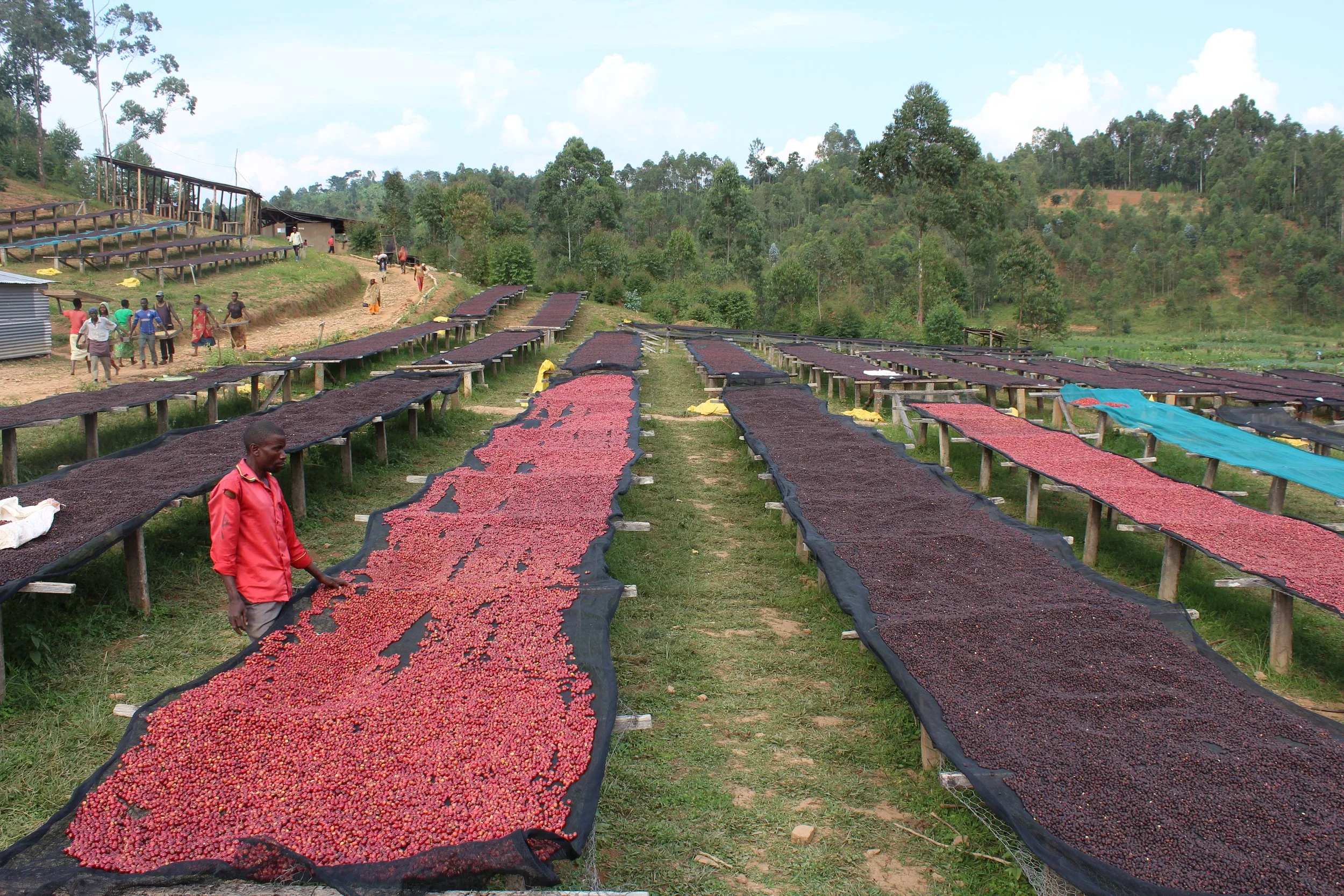
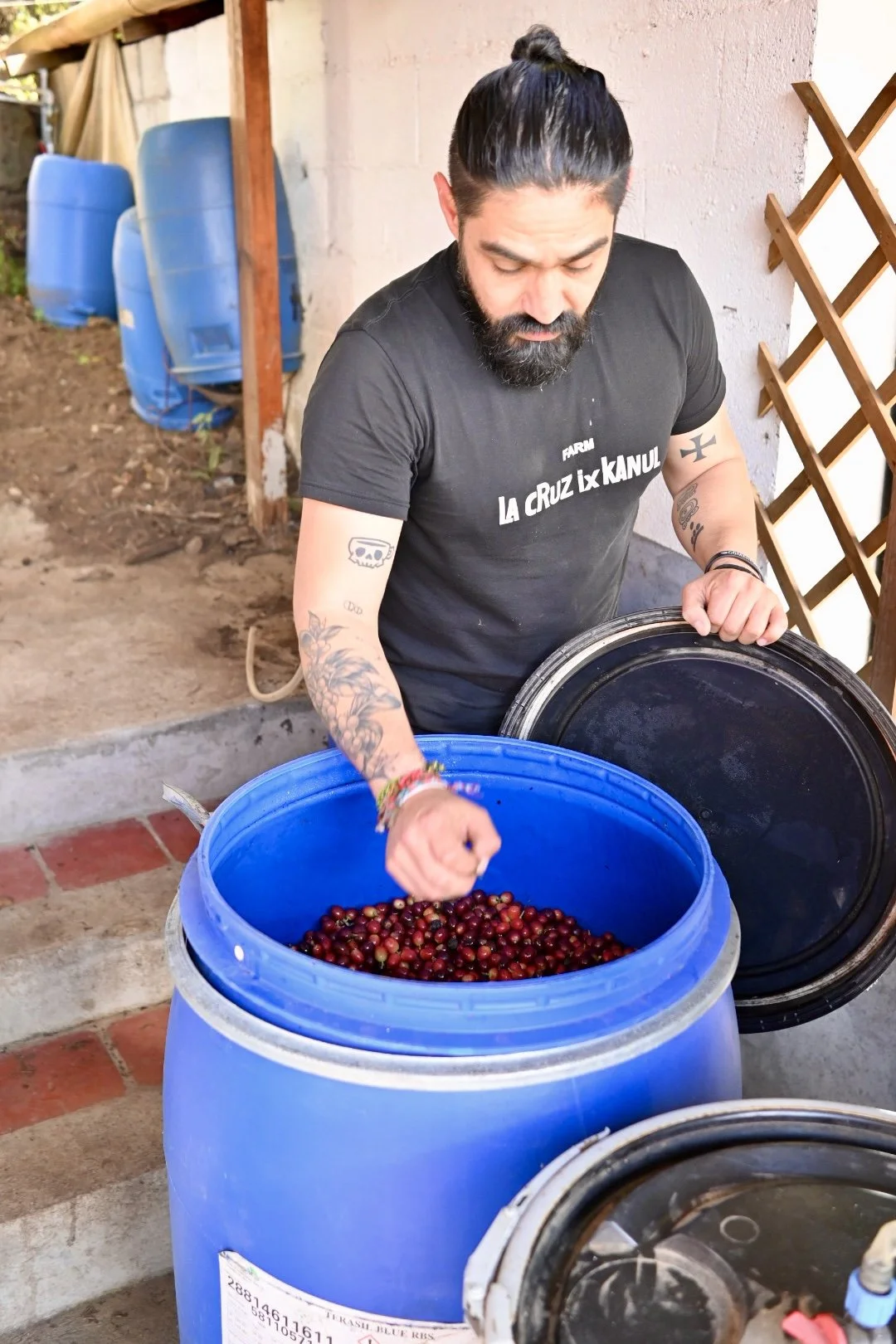
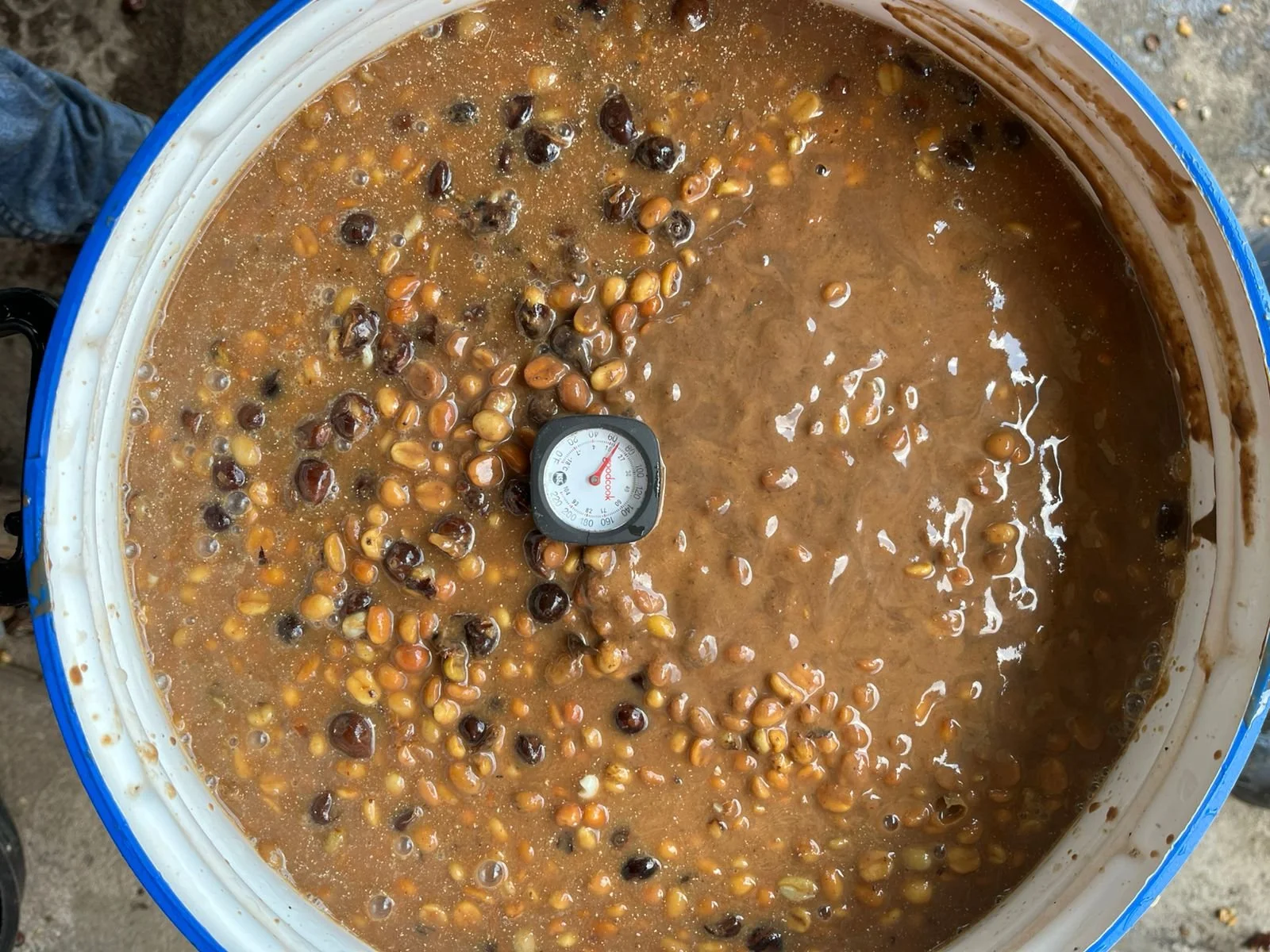
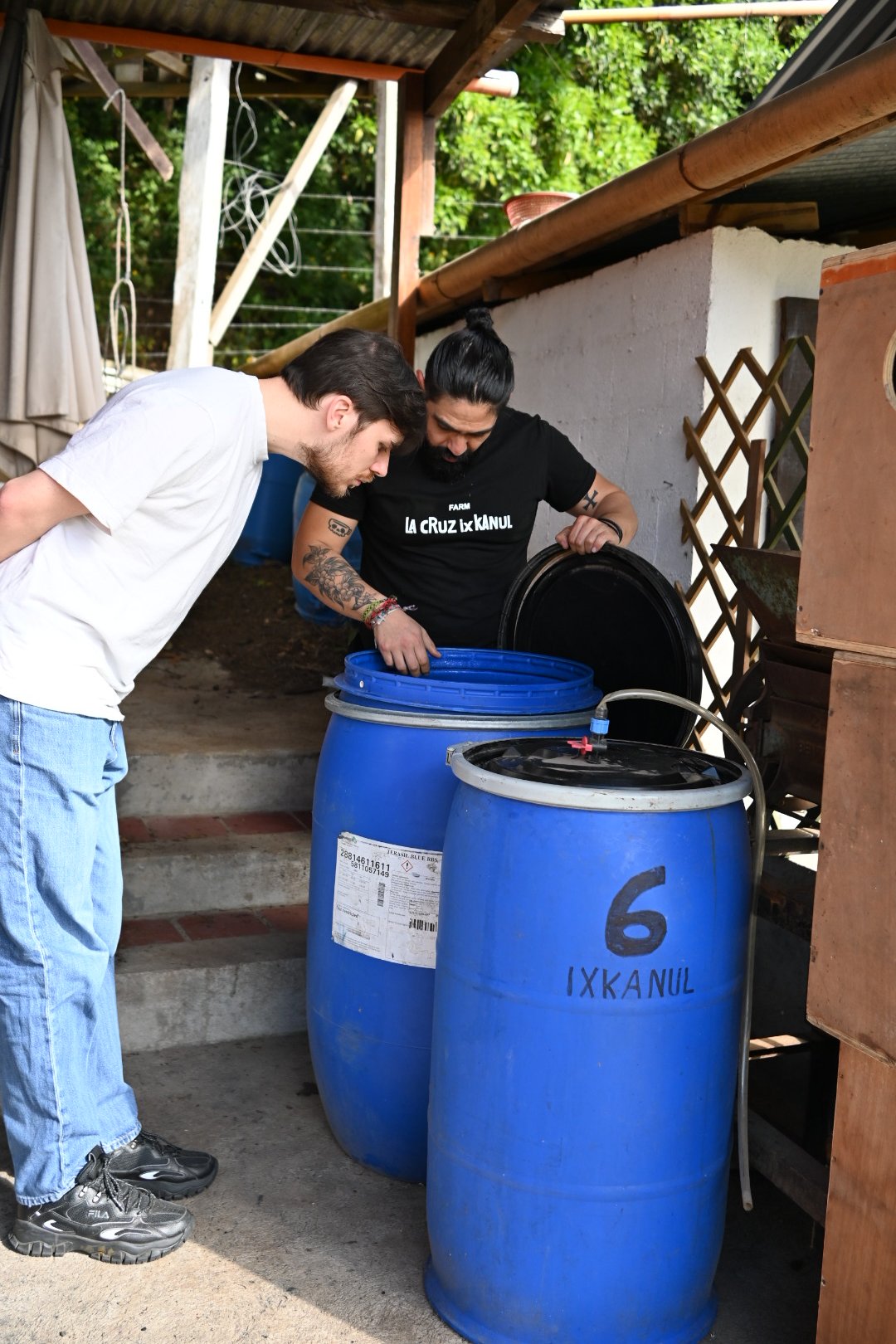
This lot is 100% Catuai, harvested selectively at peak ripeness and processed with care. After flotation to separate by density, cherries are depulped and fermented for 36–48 hours depending on the weather, then washed, sorted again and dried on nylon sheets, with plans to transition to raised beds. Continuous improvements, from extended fermentations to better nutrition management. reflect the producers’ commitment to raising the bar with every harvest.
In the cup we think it tastes like:
blackcurrant, hazelnut and green apple.